



Dr. Albin T. Jousse Lecture Series: Aquatic therapy for people post-stroke and post-SCID: a critical view of current scientific evidence
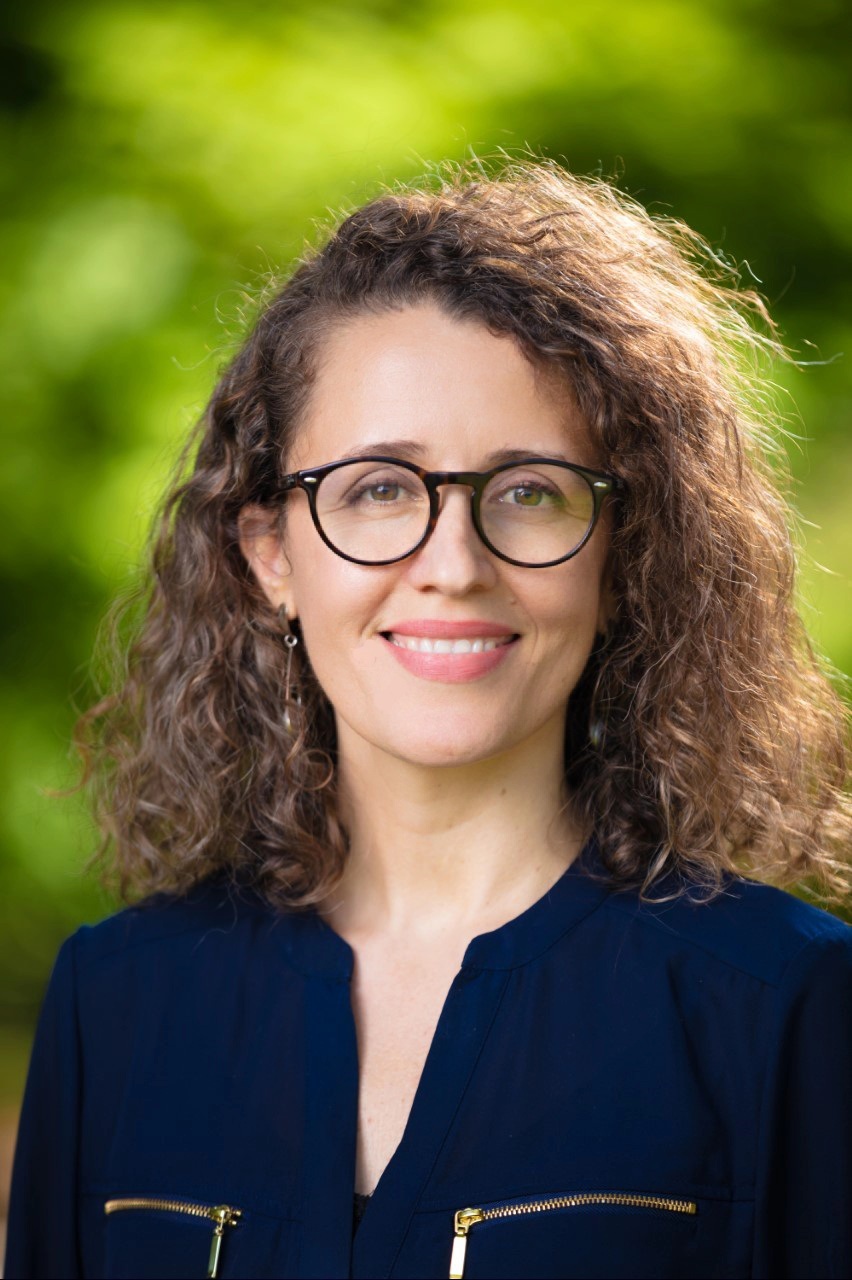
Speaker: Dr. Andresa Marinho Buzelli
Abstract
Biography
Dr. Andresa Marinho Buzelli is a registered Physiotherapist with expertise in neurorehabilitation, postural control and aquatic therapy, working at the Outpatient Department of St. John’s Rehab Hospital with clients living after limb loss, stroke and polytraumatic injuries. During her time serving as a researcher in Canada, Andresa advanced the field of aquatic therapy by leading observational and qualitative studies through her doctoral degree and postdoctoral fellowships funded by the Canadian Institutes of Health Research (CIHR). Recently, Andresa and the St. John’s Rehab Research Team launched the user-friendly Stroke Toolkit for Aquatic Rehabilitation and Recreation Therapy (STARRT), an educational and informational website aimed at increasing aquatic therapy accessibility for clients, caregivers, and clinicians during their stroke rehabilitation journey in Canada. Andresa is a passionate clinician and researcher who aims to integrate research and practice as she attends to the needs of people experiencing a disability. As an awarded PBRI Research Fellow, Andresa and the Outpatient Rehabilitation Team are currently developing a discharge tool to help clients with lower limb loss transition to community life.