
Pride in Patient Engagement in Research

A UHN-wide initiative partnering with patients, families, and caregivers so that research at UHN is more relevant, inclusive, and accountable.

Become a PiPER Member (opens in a new window) Explore the Toolkit

What is PiPER?

Pride in Patient Engagement in Research (PiPER) is a strategic UHN-wide research initiative that launched in February 2022. It began as a priority of the UHN Research Strategic Plan 2019-23, under the pillar "Engage Every Patient to Strengthen our Learning Health System".

The renewed Strategic Action Plan continues to highlight PiPER and its direction of "Transformative Experiences": an inclusive, collaborative research environment. By engaging people with lived experience (PLEX) as partners, PiPER improves research outcomes and makes sure the knowledge gained is shared with patients, families, caregivers, and communities.

Vision

A future where UHN is an international exemplar for the participation of patients, families, and partner organizations in our research. This engagement is authentic, accountable, transparent, and responsive.

Mission

To make engaging patients, families, and care partners in research a new culture that can enhance health research, outcomes, and care experiences for all.

Goals & aims

Our goal is to build organizational structures and technology that embed the engagement of people with lived experience in our research. We aim to:

  • Develop an organizational structure that ensures authentic, accountable, transparent, and responsive patient engagement in research at UHN
  • Build an organizational culture that promotes and disseminates an “opt-in” philosophy across a broad range of patient engagement in research activities at UHN
  • Create coordinated internal and external communication articulating the value of patient engagement in research for UHN staff, patients, families, care partners, and partner organizations
  • Integrate patient engagement in research culture and processes within other clinical, research, and educational programs and services at UHN

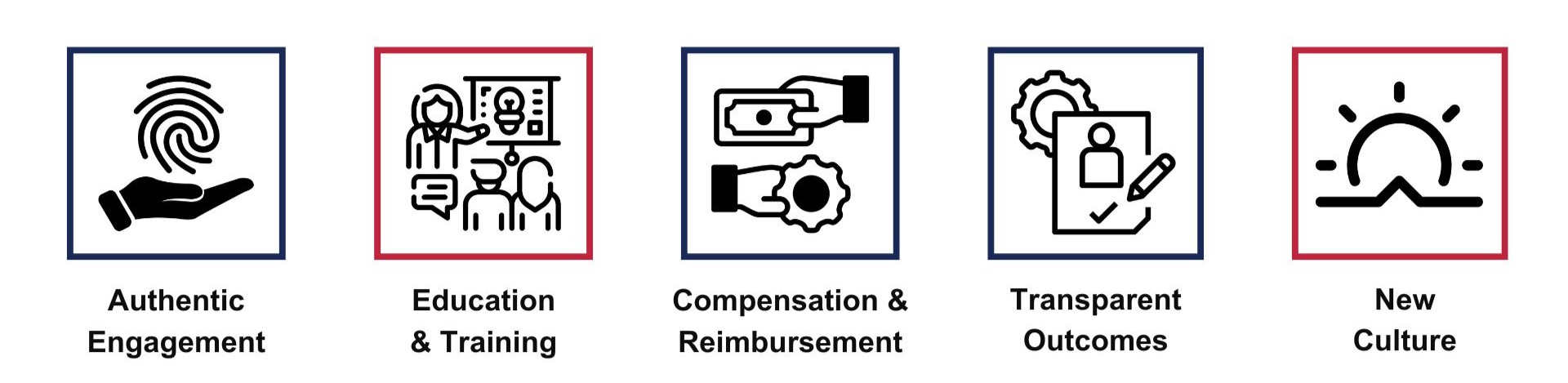
Our values

PiPER values: authentic engagement, education and training, compensation and reimbursement, transparent outcomes, new culture

Guiding principles

Prioritize Inclusion, Diversity, Equity, and Accessibility (IDEA)
Address power dynamics
Build trust
Foster reciprocal relationships
Ensure sustainability
Explore value proposition

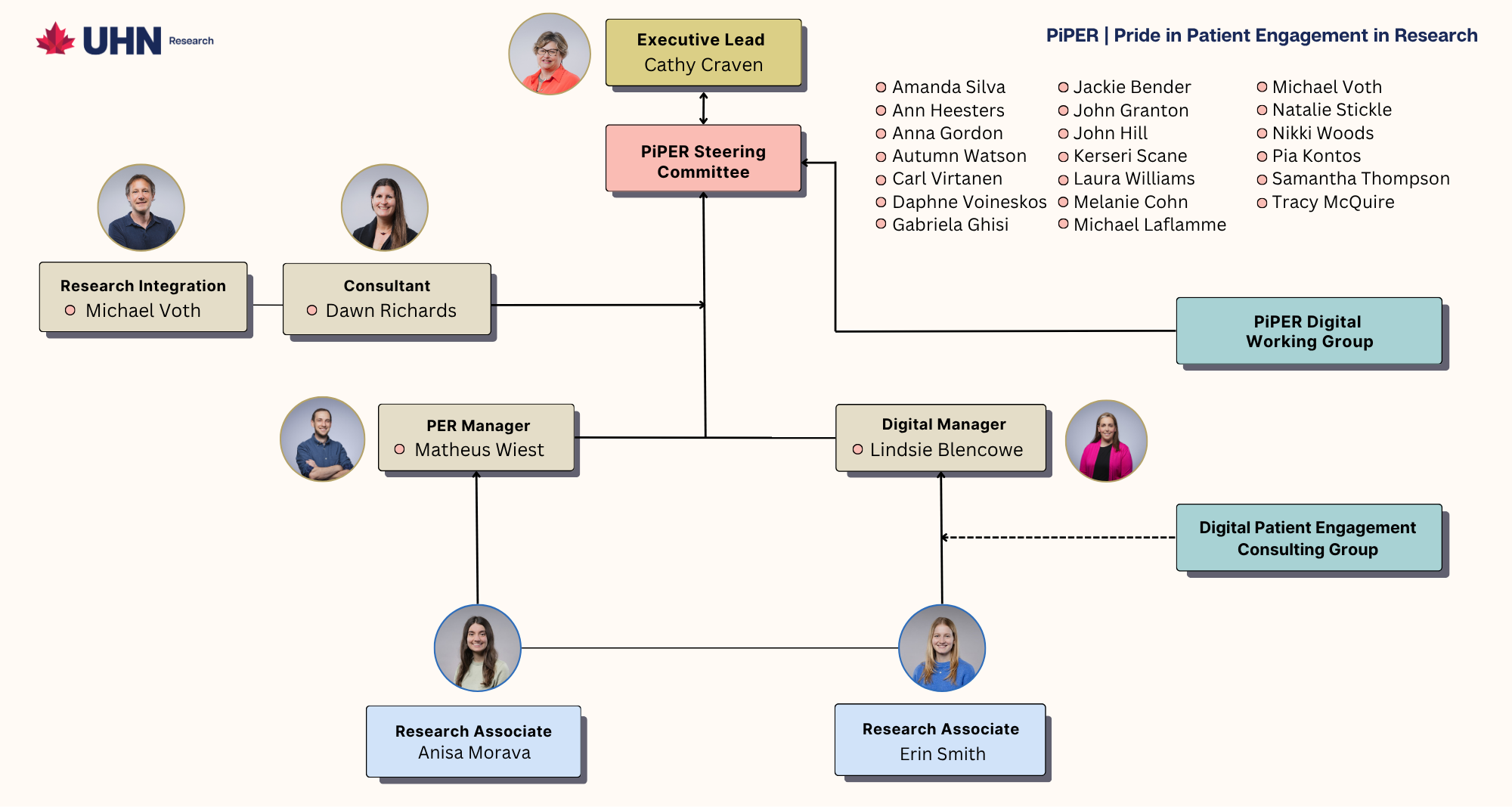
Our structure

We have established the structure below to oversee and support the PiPER vision:

PiPER 2026 organizational chart

Who are we?

Our team members support the day-to-day activities of PiPER.

Cathy Craven

Cathy Craven, BA, MD, MSc, FRCPC, FASIA (she/her)

PiPER Lead
Read bio

I am the Toronto Rehabilitation Institute/ University of Toronto Chair in Spinal Cord Injury (SCI) Rehabilitation, Professor in the Department of Medicine at the University of Toronto, Medical Director of the Spinal Cord Rehabilitation Program and Senior Scientist at KITE Research Institute within University Health Network (UHN). I also lead the PiPER initiative, Chair the PiPER Steering Committee, and sit on the Board of Directors for the Ontario Strategy for Patient-Oriented Research SUPPORT Unit (OSSU).

Email Cathy

Michael Voth

Michael Voth, MSc, CQA (he/him)

PiPER Team Member
Read bio

I am the Senior Manager of Clinical Research Quality and Compliance where I provide leadership in the planning, conduct and reporting of quality and risk management activities within UHN Research. In my role on the PiPER team, I provide strategic support, facilitate collaborations, and advise on UHN policy and standards, developing and delivering training, and performing internal quality audit and compliance activities to ensure we meet the expectations of our external funders, regulators and community for high quality research at UHN.

Dawn Richards

Dawn Richards, PhD (she/her)

PiPER Consultant
Read bio

I am an analytical chemist by training, however living with rheumatoid arthritis and osteoarthritis has profoundly impacted my career. In my role with the PiPER team, I am helping set up some of the foundations related to patient engagement in research at UHN. Specifically, I am contributing to the development of role descriptions for patient partners, establishing a patient engagement community of practice, and facilitating work related to other patient engagement events.

Email Dawn  ·  ORCID

Anisa Morava

Anisa Morava, BSc, MA, PhD (she/her)

PiPER Team Member
Read bio

Anisa Morava is a Research Associate I - Patient Engagement at UHN. Anisa arrived in Hamilton, Ontario, Canada in 2001 from Japan where she was born to Albanian parents and spent her formative years. Anisa learned English at the age of five. She has had the pleasure of living in a few different cities in Ontario, including Guelph and London and is now living in Toronto.

Anisa completed her undergraduate studies in Psychology, Neuroscience and Behaviour at McMaster University and her Master’s and PhD in Kinesiology at Western University. During her time at McMaster, she explored the use of Goal Management Training as an executive function intervention in Acquired Brain Injury. During her graduate studies, she examined the use of acute exercise-based intervention to promote cognitive functioning and stress reduction in young adults. She has experience with systematic reviews and exercise-based intervention studies. She is passionate about patient engagement and looks forward to building our community of practice at UHN.

Erin Smith

Erin Smith, BSc, MPH (she/her)

PiPER Team Member
Read bio

Erin Smith is a Research Associate on the Pride in Patient Engagement (PiPER) team at the University Health Network. Erin is a fourth-generation Canadian with ancestors of British and Greek-Macedonian heritage. She is proud to have called Toronto, or Tkaronto, home for most of her life. Erin enjoys spending time year-round in Ontario’s wilderness and provincial parks, specifically Algonquin Park and Haliburton.

Erin attended the University of Guelph for her undergraduate studies where she completed a Bachelor’s of Science in Biomedical Science. She obtained her Master’s of Public Health from McMaster University, where she conducted a project that engaged community members to improve communication and public messaging during the COVID-19 pandemic. Erin’s previous work experience has included a focus on health promotion and the social determinants of health, as she worked at a local public health unit to help support equity-deserving populations in Northern Ontario. She is passionate about patient engagement and developing equitable research processes and health outcomes for all patient populations served by UHN.

Matheus J. Wiest

Matheus J. Wiest, PhD (he/him)

PiPER Team Member
Read bio

Matheus Wiest (or just Mat Vee-st) emigrated from the traditional territories of the Tupi-Guaranis (Brazil) to Treaty 6/Metis Nation of Alberta Region 4 (Edmonton) in 2011 to complete his PhD training, where he studied how to improve rehabilitation for people living with physical disabilities.

He has been part of UHN since 2017, working in rehabilitation research and on provincial and national initiatives improving the quality of care for people living with brain and spinal cord injuries. At PiPER, Mat is the Patient Engagement in Research Manager, overseeing the team activities and working as a facilitator to meaningfully engage patients and their carers in the research produced at UHN. He is a football fan and an occasional fisherman.

Lindsie Blencowe

Lindsie Blencowe BSc (Hons), MSc, CCRA, PhD (she/her)

PiPER Team Member
Read bio

Lindsie Blencowe is the PiPER Digital Manager, supporting Pride in Patient Engagement in Research (PiPER Digital) at UHN. Lindsie is a second-generation Canadian with strong familial ties to both Canada and Scotland. In her spare time, Lindsie enjoys coordinating her local knitting guild and spending time camping with her family.

Lindsie is a biochemist and clinical researcher by training and has more than 22 years of experience working in health research. She received her Honours Bachelor of Science from Queen's University and her Master of Science degree and Clinical Research training at McMaster University. She obtained her PhD from the University of Toronto, Institute of Medical Science.

Lindsie has also been a UHN patient for more than 20 years. Her personal and professional experiences at UHN make Lindsie passionate about engaging patients as partners in our research programs. Lindsie has previously been involved in many knowledge translation and patient education projects at UHN. Most recently, she worked with patient partners on a patient-focused podcast series. Lindsie has diverse interests and skills which include graphic design, web-app and website development.

Definitions

Concepts and terms have different meanings to different people. These definitions help everyone share a common understanding when engaging people with lived experience as partners in research at or with UHN.

people with lived experience (PLEX)

PLEX is a person with experience of a health condition. They may live with a condition (patients) or have had experiences interacting in the health system (caregivers, family members). PLEX:

  • Provide perspectives and insights based on their 'lived experiences'
  • Partner with research teams in planning, doing and sharing research rather than being study participants

Related terms: "PWLE", "person with lived expertise", "knowledge users", "patient research partner".

PLEX engagement

PLEX engagement is meaningful and active collaboration with patients as partners in the research. Sometimes you may hear the term patient and public involvement (shortened as "PPI") used instead.

PLEX engagement in Research

PLEX engagement in research (PER) refers to engaging PLEX partners in different ways throughout the research process so they can provide their own lived experiences, insights, and perspectives. The intent of the engagement is to improve the research and the relevance of the research results. PLEX engagement in research does not mean that the overall approach to research needs to change, instead it means bringing PLEX partners to the team so they can contribute in ways that complement the expertise and knowledge of the other research team members. PLEX engagement in research is also called “patient-oriented research”, “patient and public involvement (PPI)”, “patient and stakeholder engagement”, and “consumer engagement in research”.

Learning Health System

A healthcare system in which knowledge generation processes are embedded into daily practice to improve research, care, and communication. A learning health system continuously collects and analyzes data to generate knowledge, engage partners, and enable informed and timely decisions.

PiPER Toolkit

New Version of The PiPER Toolkit

The PiPER Toolkit is a summary of concepts, resources and tools to help plan, do, evaluate and share research in partnership with PLEX.

Help us to understand how the Toolkit is being used and ways to improve it. Please complete this anonymous, 2 min survey: Complete the PiPER Toolkit Feedback Form (opens in a new tab).

Download the Toolkit

Toolkit – Word Version

Word document

Download

Toolkit – PDF Version

PDF document

Download

Check out the PiPER SharePoint (opens in a new tab) for more information on the PiPER Toolkit (internal connection required).

Toolkit 2.0 Launch

PiPER Toolkit 2.0 and PLEX Forum Launch Event Report

PDF document

Download

Watch the Toolkit 2.0 Launch

How to cite the Toolkit

Pride in Patient Engagement in Research (PiPER) Team. (2026, August, v2.0). Engaging People with Lived Experience in Research at University Health Network. Pride in Patient Engagement in Research – PiPER.

PiPER Toolkit

Resources for Scientists

This document contains links and descriptions for role-specific training resources for scientists.

Resources for Scientists

Word document (.docx)

Download

PiPER Toolkit

Resources for Staff

This document contains links and descriptions for role-specific training resources for research staff.

Resources for Staff

Word document (.docx)

Download

PiPER Toolkit

Resources for PLEX

This document contains links and descriptions for role-specific training resources for PLEX.

Resources for PLEX

Word document (.docx)

Download

PiPER Toolkit

Checklists

Practical tools to help you plan, carry out, and wrap up engagement with people with lived experience (PLEX) in your research.

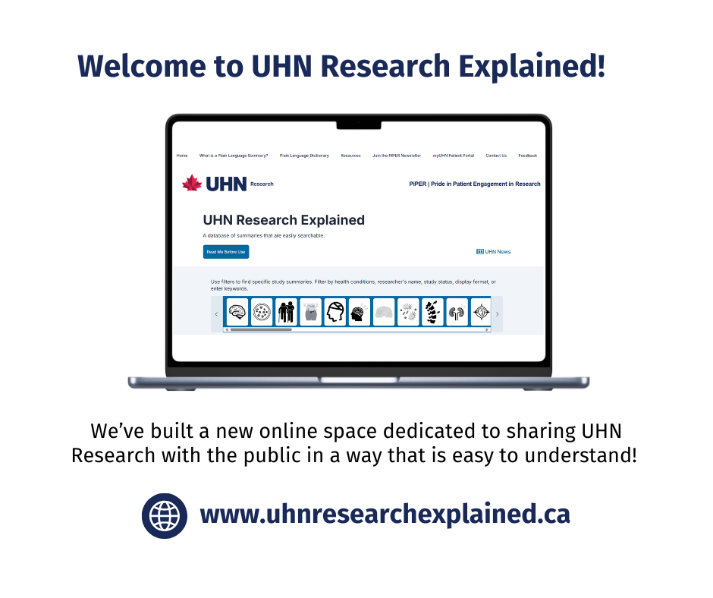
Plain Language Summaries

What is a Plain Language Summary?

A plain language summary (PLS) is a summary of research that is ongoing or completed, that is written in a way that anyone not doing research can understand.


To submit a plain language summary for UHN Research Explained, visit the PiPER SharePoint (Plain Language Resources) [internal connection required] for templates and instructions.

What is our Community of Practice?

A Community of Practice is a group of people with shared interests and goals who come together to learn, exchange knowledge, and share resources related to a specific topic.

People with lived experience (PLEX) and researchers co-present how they partnered to do research, lessons learned and opportunities to improve research processes and outcomes. These free live webinars are delivered over Zoom and enable attendees to learn about the engagement of PLEX as partners in different types of research and connect with others with similar interests!

How to get involved

You can learn about upcoming Communities of Practice by becoming a PiPER Member (see the sign-up band below) and by following us on LinkedIn and Bluesky.

Guiding principles

Community of Practice guiding principles: learning health system

Sessions

Find out about the next Community of Practice by becoming a PiPER member, following us on social media (LinkedIn and Bluesky), or checking the PiPER SharePoint (internal connection required).

Catch up on previous sessions: watch the recording or read a one-page summary of the key discussion points and resources.

Session Research Area of Engagement Presentation 1-Page Summary
January Engaging People with Lived Experience in Randomized Controlled Trials Download PDF
March People with Lived Experience in Learning Health Systems: The Centre for Digital Health Information Download PDF
May Partnering for Polyendocrine Metabolic Ovarian Syndrome (PMOS): Insights from the PMOS Patient Advisory Council Download PDF
July Creative Destruction Lab (Cancer) Patient Contribution Group: Shaping Early-Stage Cancer Innovation with Lived Experience Download PDF
October Involving Siblings in Co-Created Research Coming Soon! Coming Soon!
November Involving People with Lived Experience in Sharing Research Artistically Coming Soon! Coming Soon!
Session Research Area of Engagement Presentation 1-Page Summary
February Integrating Patient Perspectives into Preclinical Laboratory Research to Enhance Rigor and Relevance Download PDF
March Engaging Patients with Young-Onset Type 2 Diabetes to Improve Self-Management Education Download PDF
April Supporting the uptake of patient-oriented research in forensic mental health care settings Download PDF
May Engaging Women with Lived Experience in Tailoring Educational Resources for Cardiovascular Rehabilitation Download PDF
June Engaging Patient Partners in E-Learning Design-Making Research more Participatory Download PDF
July 30 Lessons Learned from the Co-Design Process of an Educational Toolkit to Support Younger Women’s Parental Role, Responsibilities, and Goals Post-Stroke Download PDF
September 24 How to Make Caregiving 'E.A.S.I.E.R'? Advocating for Better Caregiver Support After Brain Injury Download PDF
November 26 Collaboration not Consultation: Learning from the Digital Action Youth Advisory at Youth Wellness Hubs Ontario Download PDF
Session Research Area of Engagement Presentation 1-Page Summary
February Building Trust Download PDF
March Graduate Course in Patient Engagement in Research Download PDF
April Peripheral Nerve Transfer after Spinal Cord Injury Download PDF
May Creating Meaningful Partnerships with Patients and Families Download PDF
June Can Treat COVID Trial Download PDF
July Publishing with Patient Partners Download PDF
August Starting from Scratch: Patient Partnership at the Ontario Institute for Cancer Research Download PDF
October Relationalities of Care: Building a Process for Co-Production in Arts-Based Health Research Download PDF
November Advancing Youth Engagement in Health Research: Strategies & Considerations for Moving the Needle Download PDF
Session Research Area of Engagement Presentation 1-Page Summary
February Dementia Download PDF
March Diabetes Download PDF
April Heart Failure Download PDF
May Spinal Cord Injury Download PDF
June Spinal Cord Injury Download PDF
July Primary Sclerosing Cholangitis Download PDF
September Trauma-informed approaches Download PDF
October Health accessibility for artists No 1-Page Summary Available
November Health Equity in homelessness No 1-Page Summary Available
December Plain Language Summaries of Research No 1-Page Summary Available

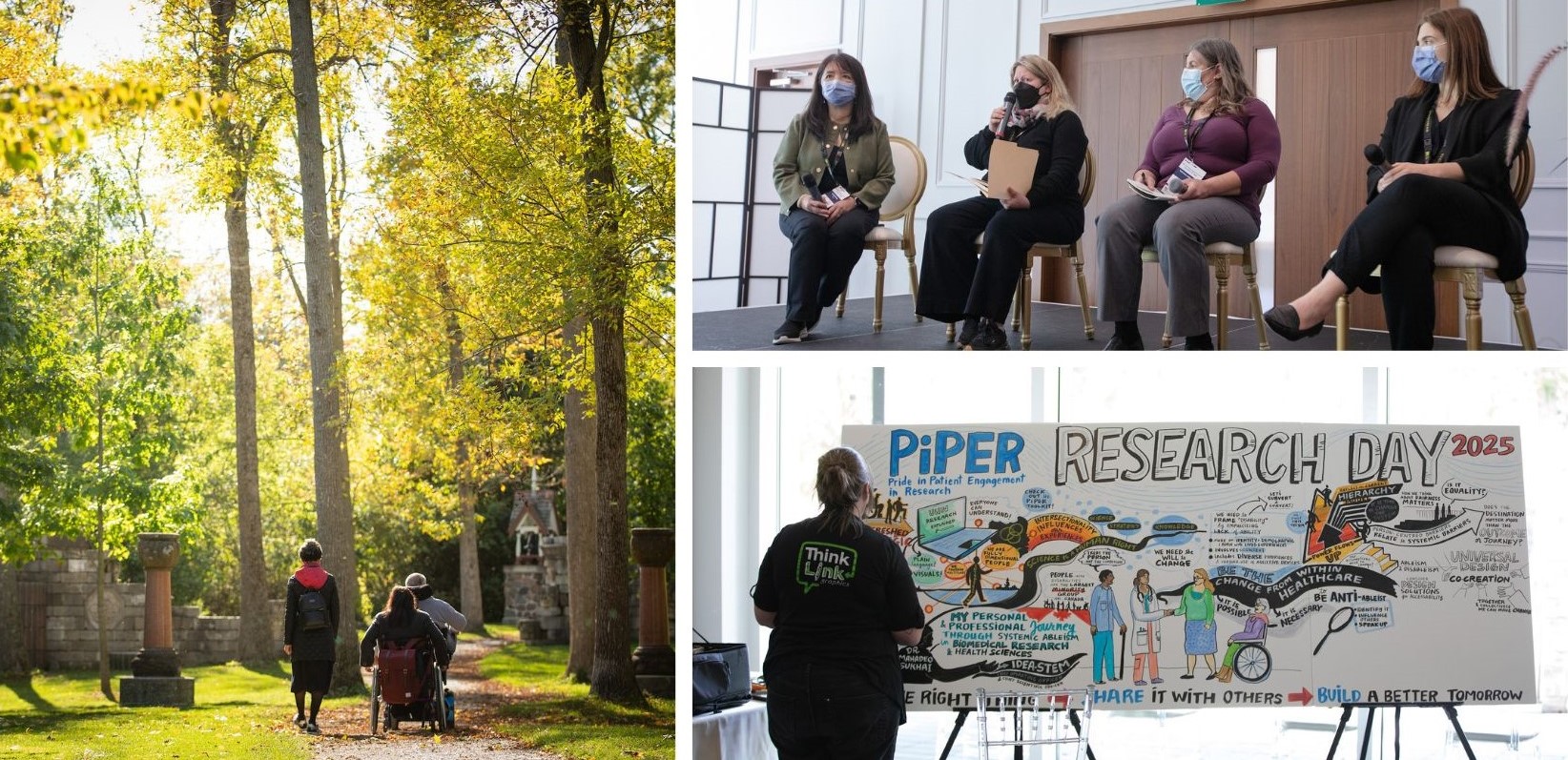
PiPER Research Day 2025

Attendees at PiPER Research Day 2025

The 3rd Annual PiPER Research Day was held on October 8, 2025. The event featured dynamic presentations, workshops, and panels centred on the theme of "Do the Right Thing, Share It With Others, Build a Better Tomorrow". Participants were encouraged to reduce duplication, abandon ineffective practices, learn from one another, and work collectively toward building a better future.

Read the Summary Report (opens in a new tab)

PiPER Research Day 2024

PiPER Research Day 2024

The 2nd PiPER Research Day took place on October 9, 2024! It delivered a compelling and urgent message: creating a more inclusive and effective learning health system is not only necessary but possible, particularly through engaging people with lived experience in research. PiPER Research Day reinforced that institutions like UHN must lead the way by embedding the voices and perspectives of patients at the heart of our research.

All Research Day 2024 recordings are in the playlist below. Select a video using the list icon in the top-right corner of the player.

PiPER Research Day 2023

The inaugural PiPER Research Day was held on October 5, 2023! The hybrid event featured keynotes, panels, virtual poster sessions, interactive workshops, story-sharing sessions, and an art exhibit on the following themes:

  • Advancing Inclusion, Diversity, Equity, Accessibility, & Allyship
  • Deepening Practices, Approaches, and Considerations
  • Building Capacity for Partnership
  • Measuring Engagement & Impact

Missed the event? Watch the recorded sessions in the playlist below. Select a video using the list icon in the top-right corner of the player.

Educational Videos

The PiPER team creates short videos to help educate and share information about topics related to patient engagement in research.

TopicVideo
What is patient engagement in research

Plain Language Summaries

TopicVideo
How to write a plain language summary

Grant Opportunities

Learn more about our previous calls for proposals:

See a list of previous awardees here (internal connection required).

Newsletters

The PiPER team sends out quarterly newsletters sharing updates from our work, opportunities to be engaged, and resources related to patient engagement in research. Check out our previous issues:

2026

Have a story, opportunity, or resource to share? Email us at piper@uhn.ca

Person with Lived Experience (PLEX) Network

The Person with Lived Experience (PLEX) Network is a PiPER initiative that aims to promote connection and collaboration between people with lived experience, researchers at UHN, and community organizations.

PLEX includes patients, families, and caregivers.

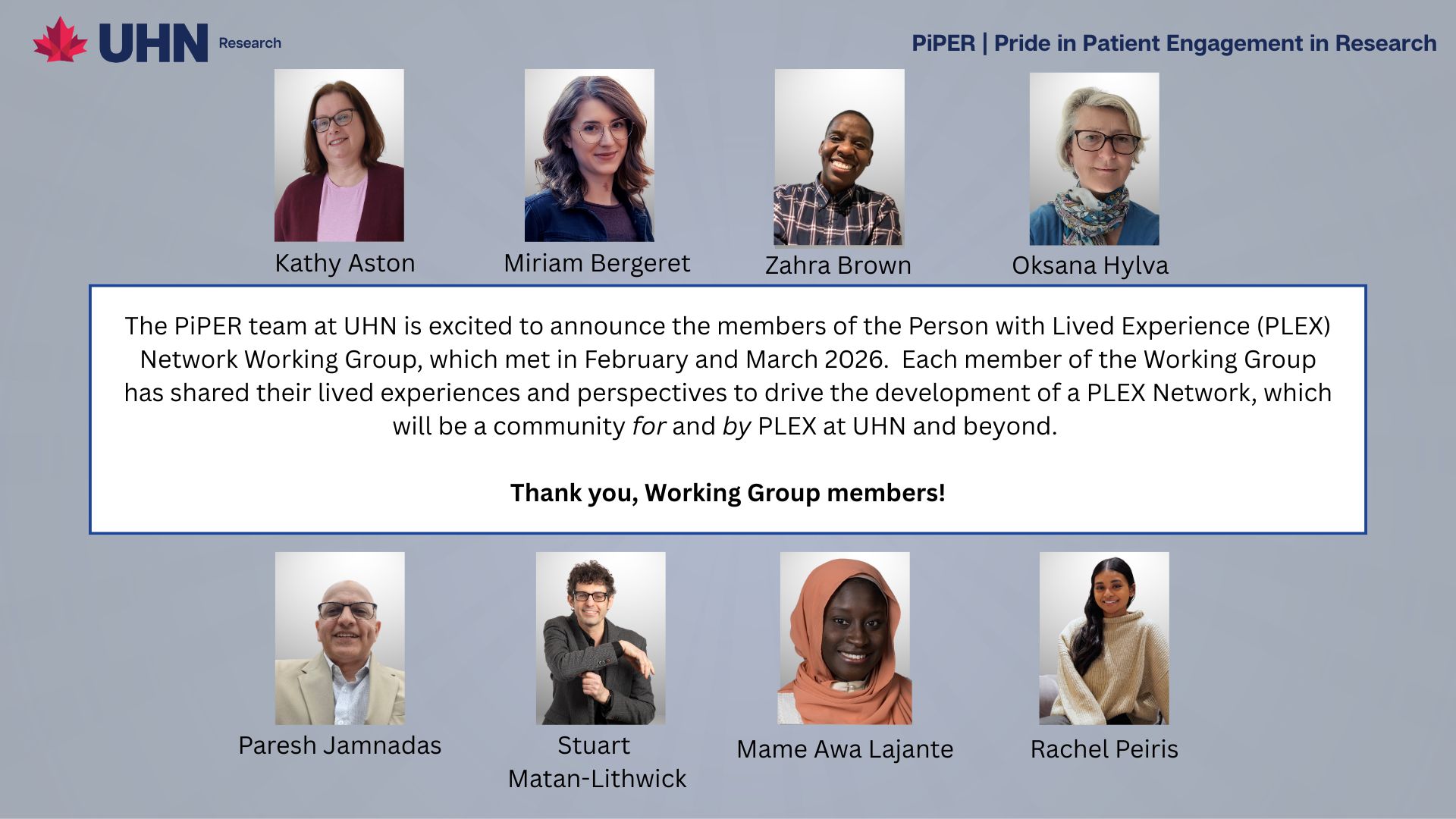
Community consultations and quarterly PLEX Network meetings have been held in 2025 and 2026 to gather input from PLEX and community organizations on the mission and goals of the Network. A working group of eight PLEX members continues to meet to further define the next steps.

PLEX Network Working Group announcement

There will be opportunities for PLEX, researchers, research staff, and community organizations to become invovled in the PLEX Network

PiPER Toolkit 2.0 and PLEX Forum Launch Event Report

PDF document (.pdf)

Download

Become a PiPER member and follow PiPER on LinkedIn and Bluesky to stay up to date.

PiPER Coaching, Matching, and Advisory Services

UHN Research Teams can learn about PiPER Coaching, Matching, and Advisory Services by visiting the PiPER SharePoint (opens in a new window). External users can contact piper@uhn.ca for more information and to request services.

Become a PiPER Member

Receive updates on opportunities to engage in research at UHN (PLEX Network), events (Communities of Practice, roadshows, webinars) and resources (toolkits, educational materials).