



Dr. Albin T. Jousse Lecture Series: Award-Winning Post-Doctoral Researcher Talks from the 11th National SCI Conference
Speaker: Dr. Damian Manzone, Dr. Shirin Tajalli, and Dr. Thomas Walden
Abstract
Biography
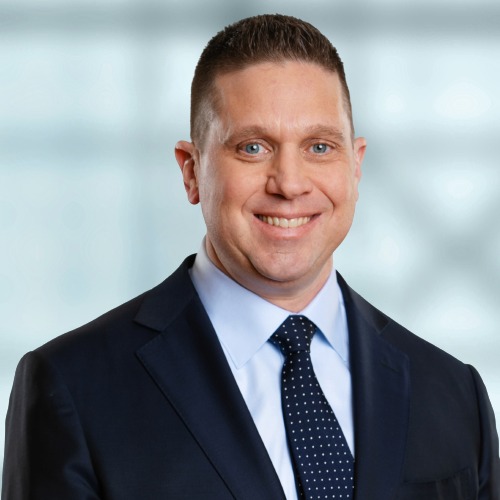
Dr. Damian Manzone is a Postdoctoral Researcher in the Adaptive Neurorehabilitation Systems Lab under the supervision of Dr. José Zariffa at KITE - Toronto Rehabilitation Institute - UHN. His doctoral work focused on sensorimotor control in uninjured populations and his current postdoctoral work focuses on the development of augmented reality rehabilitation applications for individuals with cervical spinal cord injury. This includes validating the system's accuracy for hand and joint tracking and assessing its perceived meaningfulness among individuals with cervical spinal cord injury.
Dr. Tajalli is a postdoctoral researcher at the KITE Research Institute at UHN under the supervision of Dr. Kei Masani and a physiotherapy resident with a strong clinical background in neurorehabilitation and balance training. She is the recipient of the Craig H. Neilsen Fellowship Award. Her research focuses on developing and optimizing neuromodulatory and activity-based interventions to promote neuroplasticity and functional recovery following spinal cord injury. In particular, she investigates the therapeutic potential of transcutaneous spinal cord stimulation and functional electrical stimulation as adjuncts to conventional rehabilitation. Her current work examines how these approaches improve locomotor function, with a specific emphasis on enhancing upright balance. Through this research, Shirin aims to advance understanding of spinal cord plasticity mechanisms and to generate evidence-based strategies that improve functional outcomes for individuals with spinal cord injury.
Dr. Thomas P. Walden is a postdoctoral research fellow at the Lyndhurst Centre, part of the Toronto Rehabilitation Institute – University Health Network, and a member of the Craven Lab. His research focuses on biomechanics, physiology, and exercise interventions that support rehabilitation and physical activity for individuals living with spinal cord injury and other neurological conditions.
Dr. Walden’s work explores how innovative approaches, such as exoskeleton implementation, functional electrical stimulation coupled with blood flow restriction, and technologies to improve access to rehabilitation. Dr. Walden’s research aims to develop safe, effective, accessible and inclusive exercise strategies to improve mobility and health in clinical populations.
Dr. Walden has published peer-reviewed research on blood flow restriction, gait kinematics, and barriers to exercise, and actively collaborates with interdisciplinary teams to translate scientific findings into practical rehabilitation strategies. In addition to his research, Dr. Walden contributes to teaching and mentorship in the Rehabilitation Science Institute and Kinesiology Department at the University of Toronto, supporting the next generation of clinicians and researchers.