



Dr. Albin T. Jousse Lecture Series: Perspectives of Recovery and Restoration of the Upper Limb after Traumatic Cervical Spinal Cord Injury
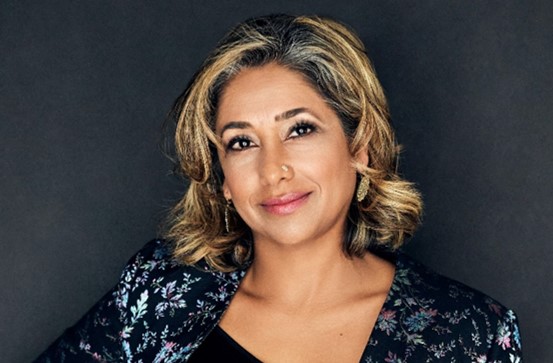
Speaker: Dr. Sukhvinder Kalsi-Ryan
Abstract
Biography
Dr. Kalsi-Ryan is a Clinician Scientist in the field of neurological rehabilitation with a special interest in upper limb assessment, recovery, neuro-restoration. Her research is oriented to establishing methods to quantify neurological change after injury and studying neuro-restorative methods to enhance and optimize function for those with neurological impairment. Her current role is as the PI of the Upper Extremity Neuro-Restorative Innovations Lab, where she uses evidence as the foundation for the implementation of new and existing clinical practices. She serves as a member of the Board of Directors of the Canadian Physiotherapy Association, an Editorial Board Member of Archives of Physical Medicine and Rehabilitation and as a member of the RECODE-DCM Steering Committee.
Dr. Kalsi-Ryan provides academic teaching within the Neurosurgical Resident training, Rehabilitation Sciences Institute, Institute of Medical Sciences and Physical Therapy programs at the University of Toronto. She is the founder of her own company, which manufactures the GRASSP and she herself, acts as a consultant to device and pharmaceutical companies worldwide.