15 September 2026
10:00 - 11:00 AM
Abstract
For most people, speaking, drinking, and eating are effortless acts, until they are suddenly lost. Each year, millions of people experience the loss of these abilities due to aging, stroke, neurological disorders, and traumatic injuries. The consequences can be life-threatening and deeply isolating, disrupting communication and nutrition while eroding independence and human connection. Yet these vital functions remain among the least objectively and continuously monitored. Their assessment still relies heavily on episodic clinical evaluations that provide only snapshots of complex, continuously evolving functions. Dr. Andrea Bandini's research aims to change this paradigm by integrating biomedical engineering, artificial intelligence, and speech-language pathology to develop objective and clinically meaningful technologies for measuring speech and swallowing.
In this talk, Dr. Bandini will trace the evolution of this work from acoustic analysis and markerless computer vision to multimodal AI approaches for detecting, quantifying, and ultimately predicting functional decline. He will highlight applications in Parkinson’s disease, stroke, and amyotrophic lateral sclerosis, including digital biomarkers of early bulbar impairment and AI-enabled analysis of videofluoroscopic swallowing studies.
Looking ahead, he will outline a research vision that moves these technologies beyond the clinic: toward multimodal monitoring of speech and swallowing in everyday life, personalized communication technologies for people with dysarthria, and AI models that integrate motor, acoustic, and linguistic information to anticipate clinically meaningful change. The ultimate goal is to move from isolated clinical snapshots toward continuous, predictive, and personalized measures of human function, enabling earlier intervention, more accessible care, and better support for people living with communication and swallowing disorders.
Biography
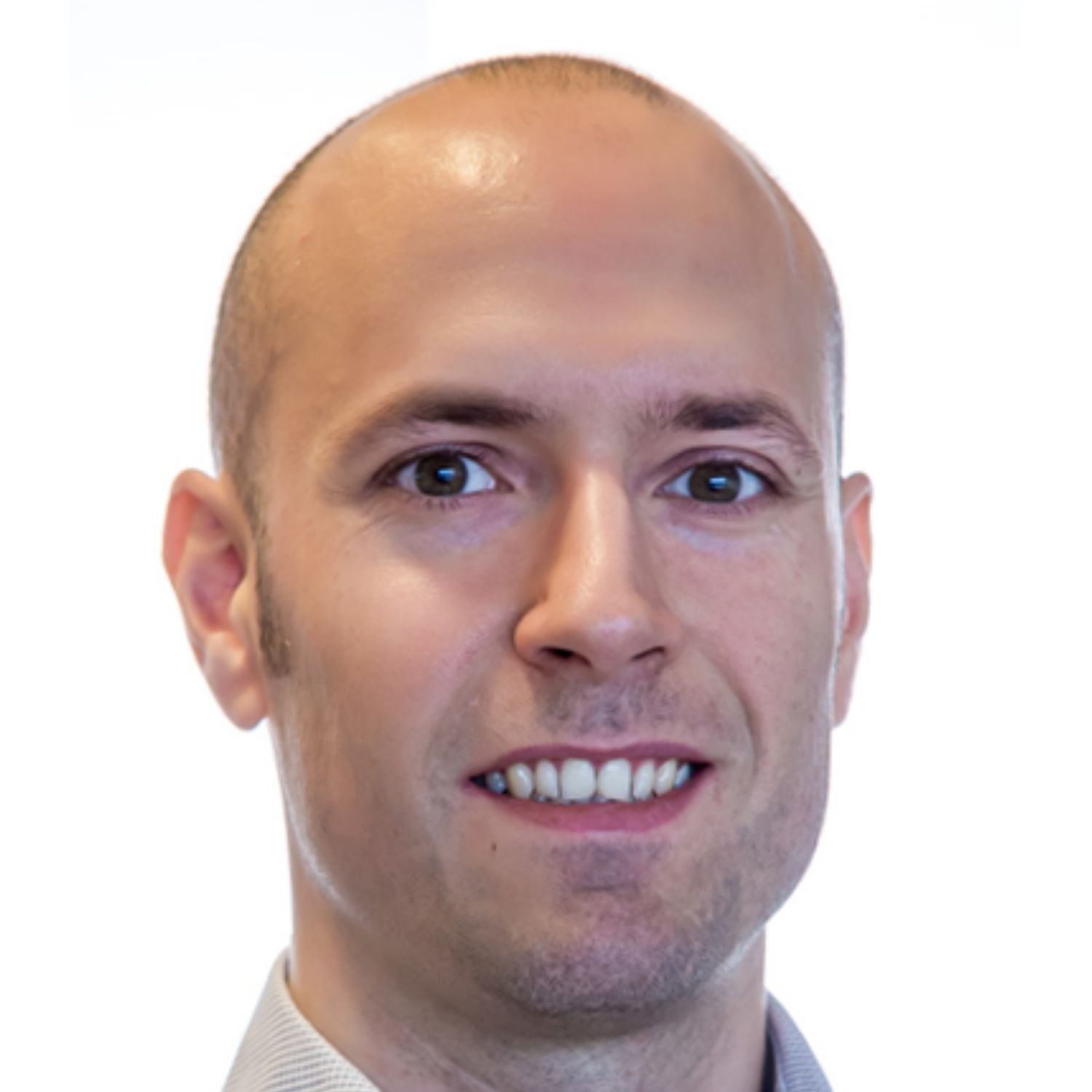
Dr. Andrea Bandini is an incoming Assistant Professor in the Department of Speech-Language Pathology at the University of Toronto. He is a biomedical engineer whose research bridges engineering, artificial intelligence, and speech-language pathology, with a particular focus on technologies for assessing and monitoring speech and swallowing disorders.
His work spans biomedical signal processing, computer vision, wearable sensing, and multimodal AI, with applications in amyotrophic lateral sclerosis, Parkinson’s disease, stroke, and other neurological conditions. His research has contributed to the development of audio-video biomarkers of motor speech disorders, automated analysis of swallowing using videofluoroscopy, and predictive models of neurological recovery and decline.
He has authored more than 60 peer-reviewed publications and has secured over CAD $1.4 million in research funding as principal investigator or co-investigator. His future research program focuses on multimodal and home-based monitoring of speech and swallowing, personalized communication technologies for individuals with dysarthria, and AI-enabled approaches for earlier and more accessible assessment of neurological disorders.